


HANDCRAFTED EXPERIENTIAL
Travel with us to create magical memories and support willdife conservation projects together
2 Days | Vietnam Primate Photography Tour – Cat Tien National Park

What to expect
Just a few hours from Ho Chi Minh City, Cat Tien National Park is a biodiversity hotspot, home to tropical forests, wetlands, and over 1,600 plant species. Wildlife enthusiasts can encounter more than 100 mammal species—including Southern Yellow-Cheeked Gibbon (Nomascus gabriellae), Black-shanked douc (Pygathrix nigripes), The silvery lutung (Trachypithecus cristatus), Pygmy Loris (Nycticebus pygmaeus) —along with hundreds of birds, reptiles, and butterflies.
For photographers and nature lovers, Cat Tien offers the rare chance to observe endangered primates in the wild. Early mornings echo with the calls of gibbons swinging through the canopy. Trails wind through ancient trees, while riverbanks and forest edges reveal shy, beautiful creatures. Watching a langur leap through the treetops or capturing a quiet moment through your lens is an unforgettable experience.
Cat Tien is not just a destination—it’s an invitation to slow down, look closer, and reconnect with the wild heart of Vietnam.
| 📅 Schedule:
02 days |
👥 Group Size:
Max 6 paxs |
📍 Start – Finish:
HoChiMinh – Cat Tien NP |
🚐 Transportation:
Cars |
🧭 Guide:
Conservation/ English |



Itinerary
Additional information
Mostly easy walking along tracks, roads, and trails, but there will be a few inclined sections in the mountains.
Night Safari – “Eyes in the Dark”
Hop on an open vehicle after sunset to witness the forest come alive. You might spot samba deer, porcupines, civets, and even the elusive pygmy loris. A great chance to observe nocturnal animals with expert guides and spotlights.
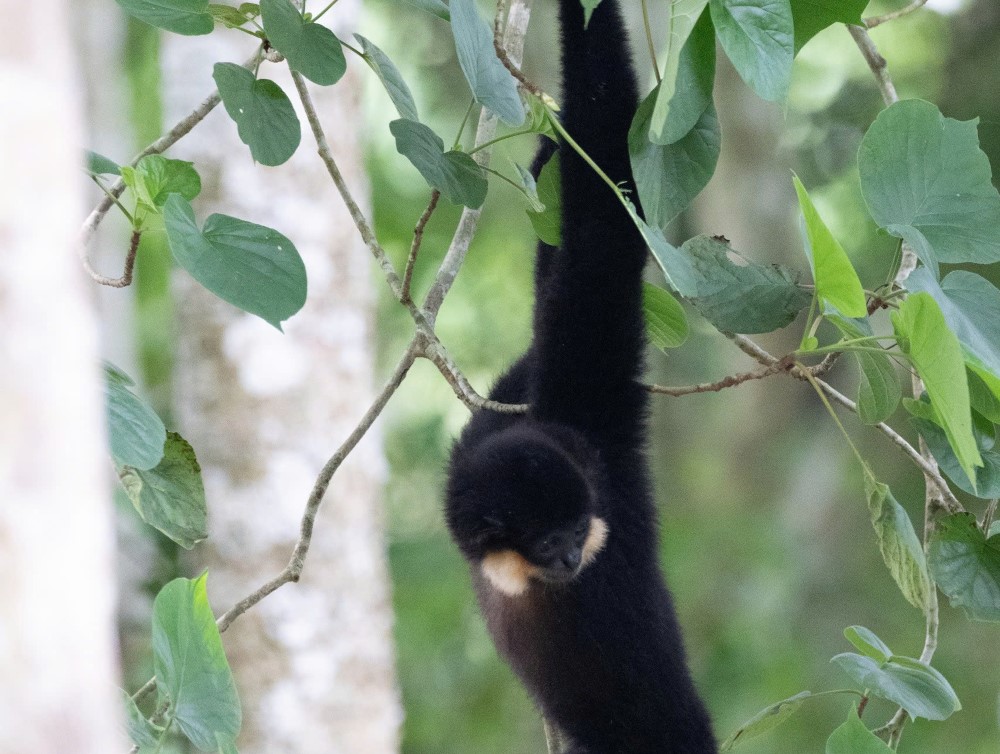
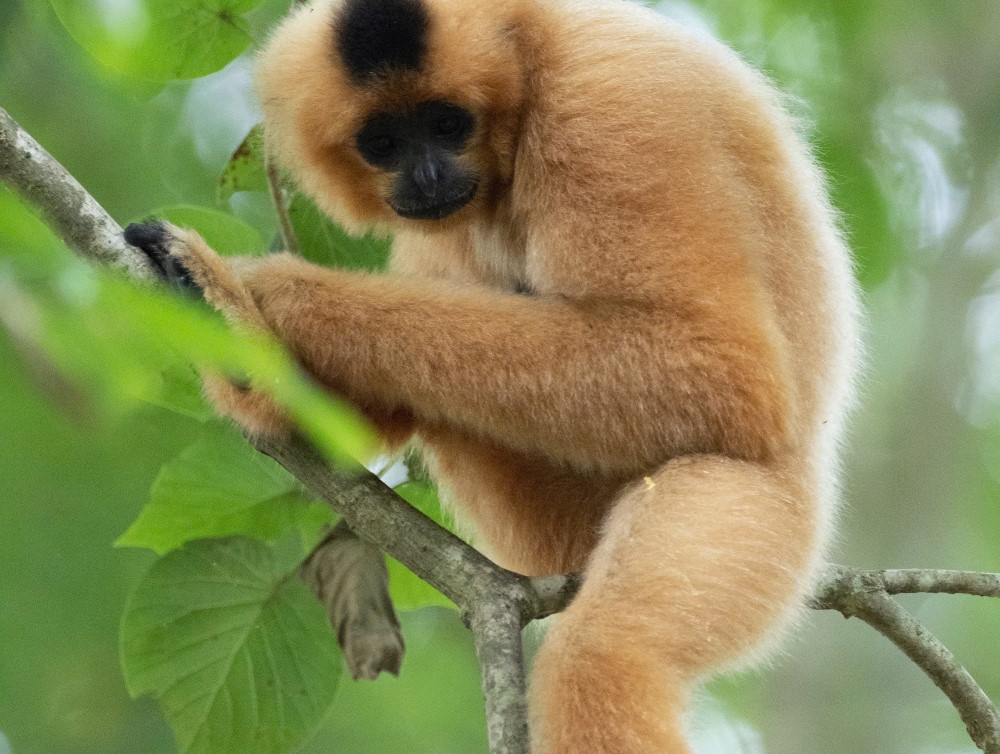
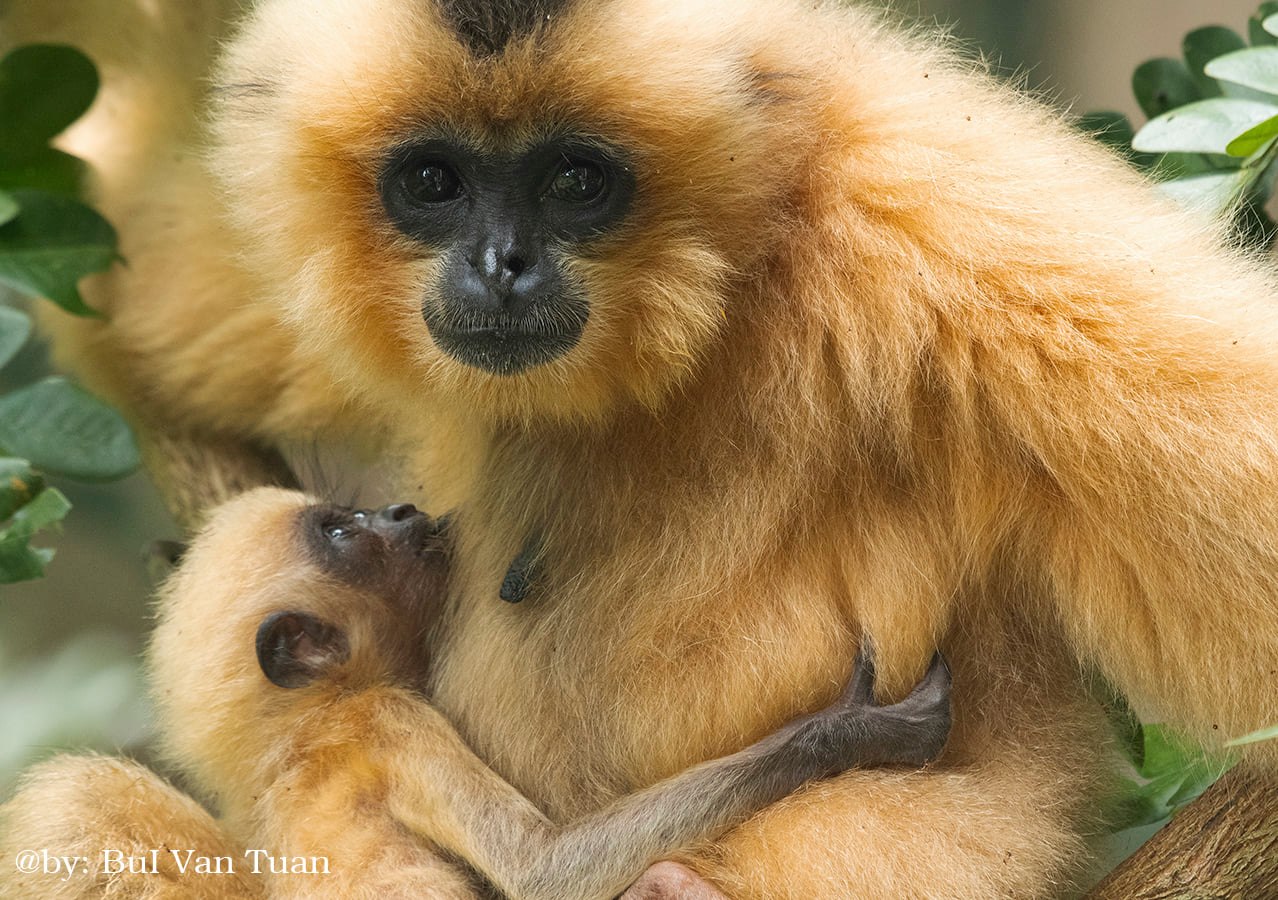
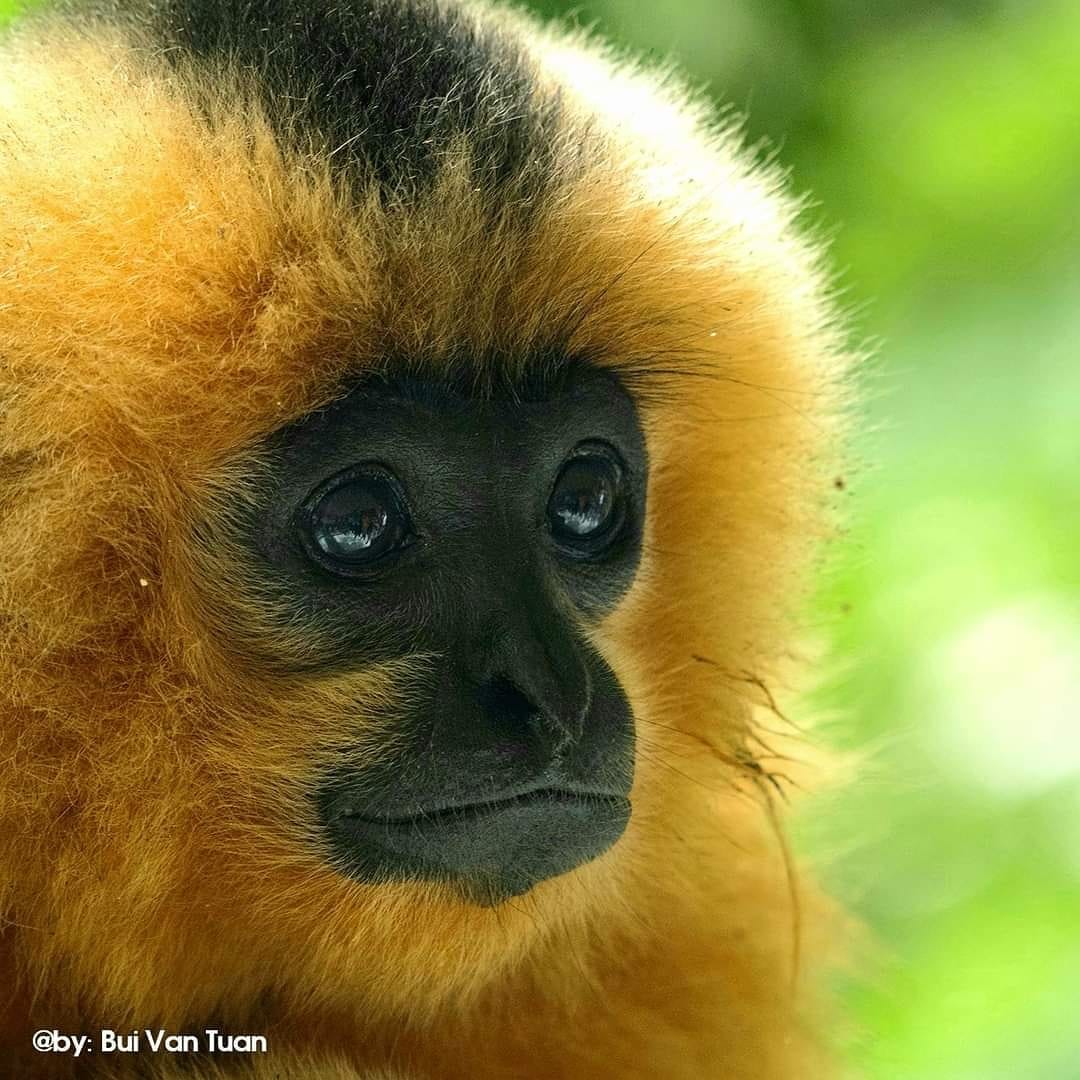
1. Southern Yellow-Cheeked Gibbon (Nomascus gabriellae)
This rare and endangered primate is known for its haunting, melodic songs at dawn, echoing through the forest canopy. Males are black with golden cheeks, while females are a golden buff color. These acrobatic gibbons are best observed early in the morning as they swing effortlessly between tall trees.
2. Black-Shanked Douc Langur (Pygathrix nigripes)
Among Vietnam’s most striking primates, these langurs have glossy black limbs, pale blue faces, and a long white tail. They live in quiet, high-canopy groups and are best seen with binoculars or a zoom lens. Their calm presence and shy nature make them a favorite subject for wildlife photographers.
3. Silvery Lutung (Trachypithecus cristatus)
These silvery-grey langurs are social leaf-eaters with expressive faces and graceful movements. Though less famous than doucs, they are fascinating to observe, especially when seen in family groups grooming or resting in the treetops.
4. Pygmy Loris (Nycticebus pygmaeus)
This small, nocturnal primate is rarely seen in the wild. With large round eyes and slow, deliberate movements, the pygmy loris emerges at night to forage for insects and sap. Spotting one on a guided night safari is a magical and rare experience.
Morning Birdwatching – “Voices of the Forest”
With over 400 bird species recorded, Cat Tien is a paradise for birders. Early morning walks are perfect to see colorful hornbills, pittas, broadbills, and even the rare Germain’s peacock-pheasant. Bring your binoculars and prepare for an avian symphony.
1. Germain’s Peacock-Pheasant (Polyplectron germaini)
A shy, ground-dwelling bird with intricate spotted plumage that resembles peacock eyes. It’s often heard before it is seen—listen for its soft calls in the early morning under dense forest canopy.
2. Great Hornbill (Buceros bicornis)
This magnificent bird is known for its massive yellow-and-black casque atop its bill. With powerful wingbeats and loud whooshing flight sounds, the Great Hornbill often glides through the forest canopy in search of fruit.
3. Green Peafowl (Pavo muticus)
Once widespread, this majestic bird is now rare and mainly seen in quiet, open forest edges. Its shimmering green and blue plumage and loud trumpeting call make it an unforgettable sight.
4. Blue-rumped Pitta (Hydrornis soror)
A small, elusive forest bird with vibrant blue rump and orange underparts. It prefers shady, leaf-littered forest floors, and its sharp, repetitive calls often reveal its presence.
5. Banded Kingfisher (Lacedo pulchella)
One of the park’s most colorful birds, with striking blue bands and a large red bill. Found perched quietly in the mid-canopy, it preys on insects and small reptiles.
6. Orange-breasted Trogon (Harpactes oreskios)
A stunning, quiet bird with an orange chest and long tail, often seen sitting still in low branches. It’s a favorite among bird photographers for its calm posture and vivid colors.
🐊 Crocodile Lake Trek – “Wild Wetlands Adventure”
This half-day hike takes you deep into the park, ending at Bầu Sấu (Crocodile Lake), where endangered Siamese crocodiles live in a quiet, protected wetland. Along the way, you’ll pass through dense forests and may spot birds, butterflies, and monkeys.
What included
|
|
- Alcohol
- Personal shopping.
- Accident Insurance